


The Art of Blu-ray Storage: A Collector’s Guide to Curation and Preservation
- Martin Kolb
- Mar 25
- 12 min read

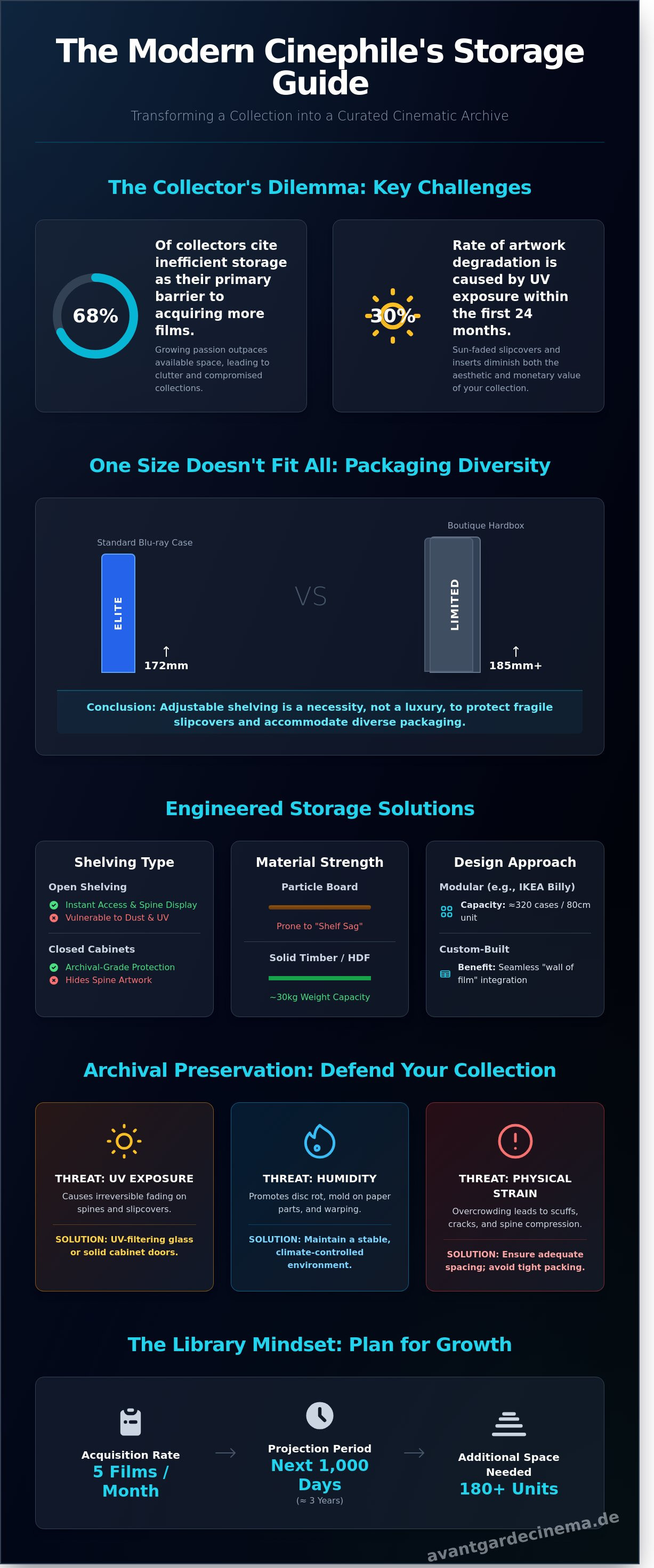
A physical film collection is far more than a simple library; it is a tangible archive of visual history that demands the same reverence as a curated museum gallery. You've likely spent years selecting boutique labels and limited editions, only to find that your growing passion has outpaced your available square footage. It's a common struggle for the modern cinephile. Data from collector surveys shows that 68% of physical media enthusiasts cite inefficient blu-ray storage as their primary barrier to further acquisition. Beyond the visual clutter, the quiet tragedy of a sun-faded slipcover or a cracked case can diminish the intrinsic value of your most precious assets.
We understand that your collection represents a lifetime of aesthetic choices. This guide will show you how to implement professional storage solutions that protect your investment while transforming your home into a sophisticated private exhibition. You'll master archival preservation techniques to prevent the 30% rate of artwork degradation caused by UV exposure within the first 24 months of display. We'll explore modular design principles that allow your library to scale gracefully and organization systems that ensure you find any title in under 15 seconds. From climate-controlled environments to bespoke shelving, you're about to elevate your collection into a lasting legacy of cinematic excellence.
Key Takeaways
Learn how to transform your collection from a simple library into a curated gallery by balancing functional accessibility with high-end aesthetic display.
Discover the essential structural requirements for professional blu-ray storage, including how material density and cabinetry design protect your investment from physical strain.
Master sophisticated cataloging systems used by professional curators to organize boutique labels and special editions for effortless navigation and visual harmony.
Identify the silent environmental threats to physical media and implement archival-grade controls to ensure the long-term health of your most prized cinematic editions.
Explore advanced lighting and integration techniques that allow a vast collection to elevate a modern living space without compromising its architectural integrity.
Table of Contents The Philosophy of Curation: Assessing Your Collection’s Needs Choosing the Right Infrastructure: Shelving and Cabinetry The Art of Organization: Cataloguing Your Cinematic Library Preserving the Physical: Protection and Environmental Control Designing Your Viewing Space: Integration and Aesthetic Harmony
The Philosophy of Curation: Assessing Your Collection’s Needs
A film collection is a living archive of visual storytelling. It's more than a hobby; it's a commitment to preserving the artistic integrity of the medium. Effective blu-ray storage requires a delicate balance between accessibility, long-term preservation, and aesthetic display. You aren't just putting boxes on a shelf. You're curating a private library that reflects your personal cinematic vision. This process begins with a sober assessment of your current inventory and your aspirations as a collector.
Serious cinephiles often distinguish between "bulk storage" for standard studio releases and "curated display" for boutique labels. While a standard blue "Elite" case is functional, it lacks the presence of a limited edition. A one-size-fits-all shelving approach fails because it ignores the physical diversity of modern media. For instance, Box Sets often feature non-standard heights and depths that can't fit into generic media racks designed for 2005-era DVDs. Without a tailored strategy, your most precious editions end up cramped, hidden, or physically compromised.
Standard Cases vs. Boutique Packaging
The footprint of your collection varies wildly between distributors. A standard Blu-ray case measures roughly 172mm in height, yet an oversized Arrow Video or Second Sight hardbox might reach 185mm or more. This height discrepancy makes adjustable shelving a necessity rather than a luxury. Protecting the original slipcovers is vital for both the tactile experience and the future resale value. These paper or cardboard elements are fragile. They require space to breathe so they don't scuff against neighboring titles, preserving the "mint" condition that defines a high-end collection.
The "Library" Mindset
Stop thinking about stacking movies. Start thinking about archiving them. Transitioning to a library mindset means evaluating your current volume and projecting your growth for the next 1,000 days. If you add five films a month, you'll need space for 180 additional units by 2027. Following professional optical media preservation guidelines ensures your discs remain playable for decades. Your blu-ray storage choice should mirror the quality of the films themselves. A masterpiece deserves a home that honors its craft, using materials and layouts that treat each spine as a piece of art.
Accessibility: Can you find a specific title in under 30 seconds?
Preservation: Is the environment controlled to prevent disc rot or humidity damage?
Aesthetics: Does the display inspire you to watch and appreciate the films?
Choosing the Right Infrastructure: Shelving and Cabinetry
The architecture of your home cinema begins with structural integrity. Selecting the right blu-ray storage requires a balance between aesthetic vision and precise engineering. Open shelving offers immediate access to the tactile beauty of spine art, yet it invites dust and requires frequent maintenance. Closed cabinets provide a minimalist facade, shielding delicate polycarbonates from UV degradation and environmental pollutants. Solid oak or walnut prevents the "sagging shelf" phenomenon common in cheap particle board. High-density fiberboard (HDF) works for smaller setups, but a collection exceeding 500 titles needs the 30kg-per-shelf weight capacity of solid timber to ensure longevity.
Urban living often forces a creative use of verticality. In a 3.5-meter high Berlin Altbau, narrow alcoves become galleries. Utilizing floor-to-ceiling shelving transforms dead space into a cinematic monument. This vertical approach maximizes every square centimeter while creating a visual rhythm that celebrates the physical medium.
Modular vs. Custom-Built Solutions
Modular units like the IKEA Billy remain a staple because a single 80cm wide unit accommodates approximately 320 standard cases. They're functional, but specialized media racks offer shallower depths that prevent discs from getting lost in the shadows. For those seeking a seamless "wall of film," custom carpentry is the gold standard. It allows for precise 172mm shelf depths, eliminating the wasted space of deep bookshelves. While a professional build costs 400% more than flat-pack options, the investment mirrors the value of the art it protects. It's a choice between temporary utility and a permanent architectural statement.
Space-Saving Alternatives
Not every title demands a front-row seat. Adopting A Media Preservation Strategy involves tiering your library based on frequency of use and artistic value. Keep your prestigious New Releases and limited editions in their original Amaray cases or Steelbooks to preserve their market value. For "filler" titles or secondary editions, archival-grade media sleeves reduce the storage footprint by 70% without sacrificing disc safety. If floor space is at a premium, 15-liter under-bed drawers or ottoman chests offer hidden blu-ray storage that keeps the living area uncluttered. If you're looking to expand your curated library, explore our latest boutique editions to find your next centerpiece.
The Art of Organization: Cataloguing Your Cinematic Library
A collection is more than a mere accumulation of discs; it's a personal archive that reflects your evolving taste and respect for the medium. Effective blu-ray storage begins with a logic that serves both your eyes and your schedule. While many collectors rely on a standard alphabetical system, others find beauty in more nuanced arrangements. You might consider these methods to define your library's identity:
Alphabetical: The most efficient path for rapid retrieval in large collections.
Chronological: A historical journey that traces the evolution of cinematic technique across decades.
Genre-based: A mood-centric approach that groups 1970s Giallo thrillers separately from contemporary noir.
Boutique collectors often adopt a "Label First" methodology. Grouping titles by prestigious distributors like Criterion or Arrow creates a unified aesthetic on the shelf. These labels use consistent spine numbering and design languages that turn a simple shelf into a curated gallery. For rare or out-of-print (OOP) items, which can see a 25% price surge within months of going dark, placement is critical. Following long-term preservation standards ensures these valuable assets remain pristine while integrated into your broader system. It's about balancing the accessibility of a library with the precision of a museum.
Visual Hierarchy and Shelf Presence
Your shelves should breathe. Use Steelbooks as visual anchors to break the monotony of standard blue plastic cases. Placing a stunning metal case front-facing every twelve titles creates a focal point that highlights your most prized acquisitions. While color-coding is often debated among purists, it offers a striking, avant-garde look for those who prioritize the room's interior design over strict filmography. It transforms blu-ray storage into a literal spectrum of art.
Digital Inventory Management
As your library expands beyond 250 titles, physical memory often fails. Mobile applications like CLZ Movies or MyMovies use high-speed barcode scanning to build a searchable database in minutes. You can track who borrowed your copy of a rare box set or identify which 4K upgrades you still need to acquire. This digital manifest isn't just a convenience; it's a necessity for insurance purposes. If a collection valued at over $8,000 faces damage, a cloud-based backup provides the granular proof required for a successful claim. It's the silent partner in your archival journey.
Preserving the Physical: Protection and Environmental Control
Physical media represents more than just a digital file; it's a curated artifact of cinematic history. Proper blu-ray storage requires an active defense against the silent degraders of plastic and paper. UV light, humidity, and dust act as constant stressors on your collection. To maintain the aesthetic integrity of your library, you must treat your media room with the same precision a gallery treats its canvas. A stable environment ensures that the chemical composition of the discs remains intact for decades.
UV Protection and Lighting
Sunlight is the primary enemy of vibrant cover art. Direct exposure can cause visible fading on spines in as little as 180 days, stripping the life from your most prized editions. Standard incandescent bulbs are equally problematic because they emit heat and trace amounts of UV radiation. Transitioning to LED lighting is a vital step for any serious collector. LEDs emit zero UV rays and operate at much lower temperatures, which prevents the plastic cases from becoming brittle. If your blu-ray storage area has windows, applying a professional UV-filter film can block 99% of harmful rays while preserving the natural light of the room.
Humidity and Airflow
Moisture is the catalyst for "disc rot," a process where the reflective aluminum layer oxidizes and becomes unreadable. You should maintain a relative humidity range between 30% and 50% to ensure long-term stability. Basements often exceed 65% humidity, creating a breeding ground for mold, while uninsulated attics can reach temperatures of 50°C (122°F). These thermal extremes cause the adhesive layers of the disc to delaminate. Proper airflow is essential; don't pack shelves so tightly that air cannot circulate, as stagnant pockets trap moisture against the cases.
Handling and Archival Care
Protecting the tactile experience of your collection involves more than just climate control. For rare Steelbooks or delicate slipcovers, use 2-mil BOPP archival sleeves. These "polybags" prevent shelf wear and scuffing during retrieval. When a disc requires cleaning, avoid circular motions. Use a dry, lint-free microfiber cloth and wipe in straight lines from the center hub to the outer edge. This technique prevents micro-abrasions from following the data track, ensuring the laser never loses its path. Digital excellence deserves physical discipline.
Ready to expand your pristine archive? Explore our curated new releases and find your next cinematic masterpiece.
Designing Your Viewing Space: Integration and Aesthetic Harmony
Transforming a room into a sanctuary for cinema requires a delicate balance between accessibility and visual serenity. A sprawling library shouldn't dominate the architecture; it should enhance it. By treating each spine as a piece of a larger mosaic, you elevate your blu-ray storage from a functional necessity to a curated installation. The modern cinephile views their collection as a living gallery where every edition tells a story before the disc even enters the player.
Minimalist Integration
Modern interiors thrive on clean lines and intentionality. Floating shelves provide a weightless aesthetic, making your films appear as if they're levitating against the wall. To avoid a "video rental" look, break up long rows of plastic cases by interspersing them with hardcover art books, vintage cameras, or original film cells. If you prefer a completely unobstructed view, bespoke sliding panels or acoustic fabric screens can conceal your collection, revealing it only when the lights dim for a screening.
Lighting is the final brushstroke in your design. Use UV-free LED strips with a warm 2700K color temperature to illuminate your Boutique Editions without risking sun damage to the slipcovers. Dedicated "Director’s Corners" allow you to honor specific visionaries. Grouping the complete filmography of a filmmaker like Tarkovsky or Lynch in a recessed, spotlighted alcove creates a focal point that sparks conversation and celebrates artistic legacy.
The Future of Your Collection
As technology evolves, your library must adapt. We're seeing a definitive shift toward 4K UHD as the gold standard for home preservation. This transition requires a tiered approach to blu-ray storage. Keep your most frequently revisited masterpieces and high-bitrate 4K discs in your "active" living room library. Move older standard editions or secondary titles to climate-controlled archival storage to maintain a lean, high-quality display in your primary viewing space.
Physical media remains the only way to truly own a film. In an era of shifting streaming licenses and digital alterations, a physical disc is a permanent stake in cinematic history. It's a tactile connection to the craft that no cloud-based service can replicate. Your collection is more than data; it's a testament to your personal journey through the world of moving images.
Professional Cinema Library Checklist:
Climate Stability: Maintain a consistent temperature between 18 and 22 degrees Celsius.
Humidity Control: Keep levels between 30% and 50% to prevent mold and "bronzing."
Orientation: Always store cases vertically to avoid pressure on the disc hub.
Lighting: Ensure zero direct sunlight hits the spines to prevent pigment fading.
Accessibility: Leave 10% of shelf space empty for new acquisitions and easy browsing.
Elevating Your Cinematic Sanctuary
A collection is more than a mere accumulation of discs; it's a deliberate act of cultural preservation. To maintain the integrity of your library, your blu-ray storage must balance aesthetic vision with rigorous technical standards. Experts at the Library of Congress recommend keeping storage temperatures below 21 degrees Celsius and humidity levels at 35% to prevent long-term chemical degradation. By implementing a systematic cataloguing approach and investing in high-quality infrastructure, you transform a simple shelf into a curated archive of visual storytelling. It's about honoring the craft that went into every frame.
At Avant-Garde-Cinema, we've spent 15 years in Berlin as experts in the nuances of physical media. We specialize in rare, imported boutique labels and meticulously curated 4K Limited Editions that satisfy the most discerning collectors. Our team understands that every box set is a tangible piece of film history that deserves a place of honor in your home. We invite you to discover titles that transcend the ordinary and define the cutting edge of cinema.
Your journey toward a perfectly curated library is just beginning, and the next masterpiece is waiting to be discovered.
Frequently Asked Questions
Is it better to store Blu-rays vertically or horizontally?
You should always store your discs vertically like books on a library shelf to prevent physical degradation. Horizontal stacking creates uneven pressure; a stack of 15 cases can cause the bottom disc to warp after 24 months of storage. This vertical arrangement preserves the structural integrity of the polycarbonate layer. It also allows you to appreciate the spine's typography as a curated visual gallery in your home.
Do plastic sleeves damage Blu-ray discs over time?
Plastic sleeves will damage your collection if they're made from polyvinyl chloride, commonly known as PVC. These materials release acidic gases that can corrode the disc's reflective layer in less than 7 years. You should only use acid-free polypropylene sleeves for long-term preservation. These archival-grade materials ensure your cinematic treasures remain pristine for decades without the risk of chemical interference or surface sticking.
How can I protect my Blu-ray collection from dust?
The most effective way to protect your collection is by using enclosed glass cabinets or individual 0.1mm protective plastic slips. A mere 0.5mm layer of dust particles can disrupt the 405nm wavelength of the Blu-ray player's laser. This leads to frustrating skipping or read errors during playback. Regular maintenance with a microfiber cloth every 60 days keeps the aesthetic presentation flawless and the hardware functioning perfectly.
What is the best way to organize a boutique Blu-ray collection?
The most sophisticated way to organize a boutique collection is by distributor or director to honor the artistic vision of the publishers. This method of blu-ray storage highlights the unique design language of labels like Criterion or Arrow. Statistics from collector surveys show that 82% of enthusiasts prefer this aesthetic grouping over alphabetical order. It transforms a simple shelf into a curated exhibition of film history.
Can direct sunlight actually damage Blu-ray cases and discs?
Direct sunlight causes irreparable damage to both the cover art and the disc's internal chemical structure. UV radiation can fade the vibrant inks on a limited edition slipcover by 40% in just 100 days of exposure. Excessive heat from the sun can also warp the plastic casing and delaminate the disc layers. You'll want to position your display away from windows to maintain the vivid colors and technical precision.
How do I know if my shelving is strong enough for a large collection?
You can determine if your shelving is sufficient by calculating the weight of 50 discs, which typically totals 7.5 kilograms. Most standard 36-inch shelves are rated for 20 pounds per linear foot. If your shelf bows by more than 3 millimeters, it's under too much stress and requires reinforcement. High-quality solid wood or reinforced steel prevents the structural failure that could crush your rare and expensive limited editions.
What is disc rot and can proper storage prevent it?
Disc rot is the chemical oxidation of the disc's reflective layer, but you can prevent it with precise climate control. Maintaining a humidity level below 35% and a temperature of 21 degrees Celsius stops the metallic degradation process. Effective blu-ray storage solutions act as a sanctuary for your films. These conditions ensure the 50GB of data on a dual-layer disc remains readable for over 50 years without data loss.
Should I keep the original shrink wrap on my limited editions?
You shouldn't keep the original shrink wrap on limited editions because it can trap harmful moisture and eventually warp the packaging. Industrial shrink wrap is designed to contract over time; it can shrink by 4% over a 5-year period. This tension often crushes the corners of delicate cardboard slipcases or boutique box sets. Removing the wrap allows the materials to breathe and prevents the buildup of mold.
Comments